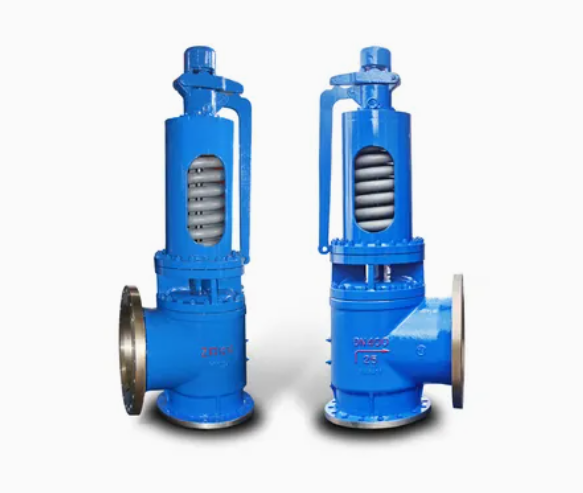

Essential details
MOQ:1
Product Introduction
Product Description
A Safety Valve is a critical device used to protect equipment, systems, and people from overpressure by automatically releasing fluid (gas or liquid) when pressure exceeds a preset limit. It is a fail-safe mechanism widely used in various industries.
Key Components
Body: Houses the valve and fluid flow path.
Spring: Applies force to keep the valve closed under normal pressure.
Disc: The sealing element that prevents leakage.
Nozzle: Directs the flow of fluid during operation.
Adjusting Screw: Allows setting of the desired pressure release level.
Working Principle
The valve remains closed under normal operating pressure due to the spring force.
When the system pressure exceeds the preset limit, it overcomes the spring force and lifts the disc, allowing the excess pressure to escape.
Once the pressure normalizes, the spring pushes the disc back to seal the valve.
Types of Safety Valves
Spring-Loaded Safety Valve: Uses a spring mechanism for pressure regulation.
Pilot-Operated Safety Valve: Uses an auxiliary pilot valve to control the main valve.
Balanced Safety Valve: Includes bellows or diaphragms to mitigate backpressure effects.
Thermal Safety Valve: Specifically designed to release pressure caused by thermal expansion.
Applications
Oil and Gas: Prevents pressure buildup in pipelines and storage tanks.
Boilers and Pressure Vessels: Protects against dangerous overpressure.
Chemical and Petrochemical: Ensures safety in systems handling volatile or hazardous materials.
Pharmaceuticals and Food Processing: Ensures compliance with safety and hygiene standards.
Key Benefits
Prevents equipment failure or explosions due to overpressure.
Ensures operational safety and compliance with safety regulations.
Reduces downtime and maintenance costs by mitigating risks.


